
Overview
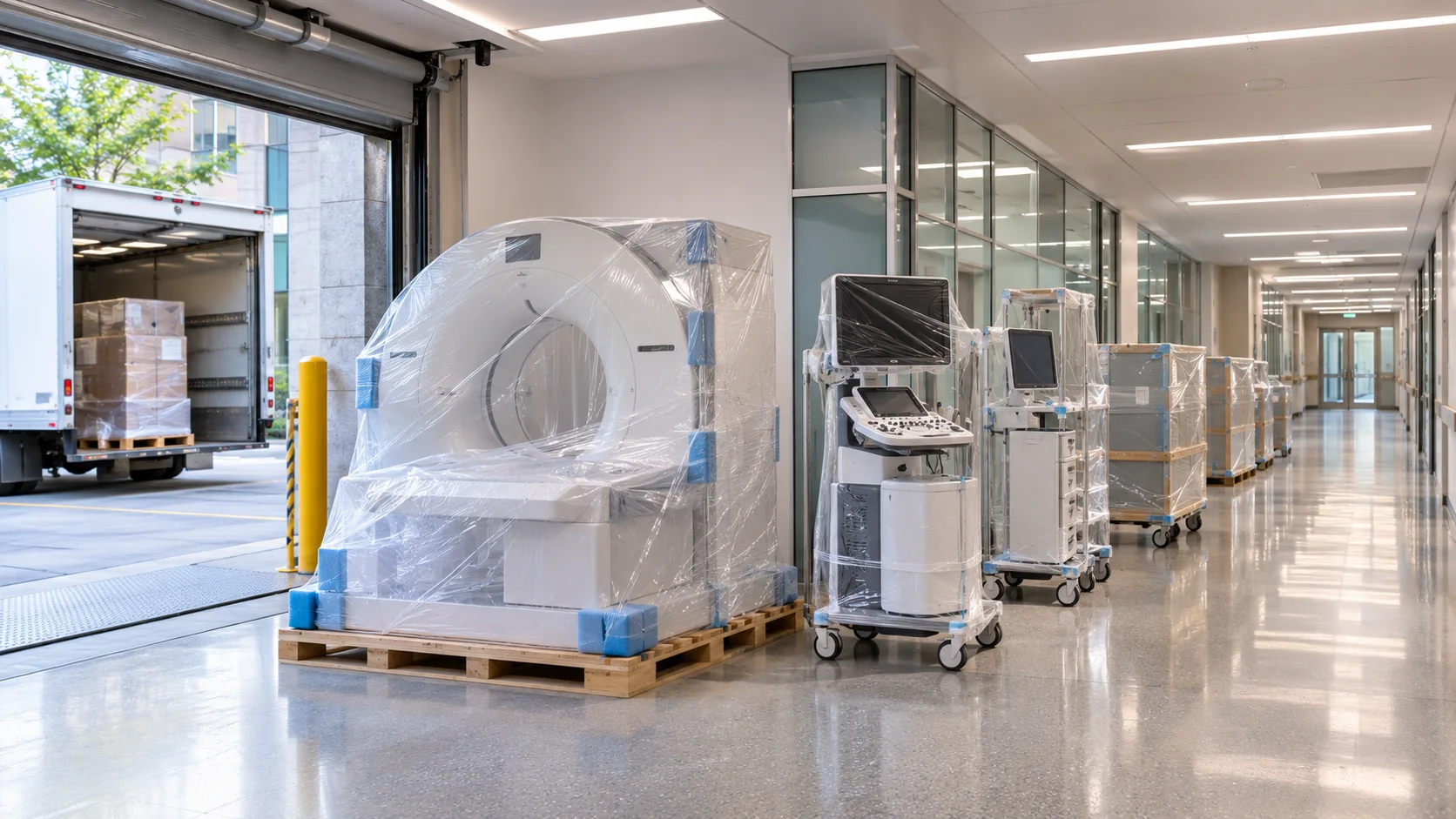
Managed medical equipment delivery and installation coordination for Mount Sinai Cancer Center in Miami Beach, a project involving more than $1 million in equipment across 137 line items and four orders. The primary deployment required 12 truckloads of equipment to arrive over three consecutive days, followed by onsite placement, installation, and reconciliation.
The Challenge
A concentrated delivery schedule meant that equipment receiving, placement, and installation had to remain tightly coordinated.
Multiple truckloads needed to arrive in sequence while the installation team worked through the equipment requirements. Damaged or malfunctioning items and supplier backorders also needed to be identified and communicated quickly without disrupting the overall deployment.
My Approach
- Coordinated a three-day delivery sequence consisting of five trucks on March 2, five on March 3, and two on March 4.
- Worked with warehouse, transportation, and installation teams to maintain the delivery schedule and coordinate equipment placement.
- Provided daily receiving and project-status updates to the customer's medical equipment planning team.
- Identified and documented three equipment discrepancies involving a damaged mobile barrier stand, a malfunctioning treatment table, and a damaged weight rack.
- Coordinated outstanding-item reporting and replacement follow-up while the onsite team completed the primary installation work.
The Impact
All 12 scheduled truckloads were delivered between March 2 and March 4, 2026.
By March 6, the onsite team had completed placement and installation of the equipment delivered during the primary phase. Three equipment discrepancies were documented for resolution, with remaining supplier backorders tracked through subsequent follow-up.
This project demonstrates how detailed preparation, communication, and responsive issue management support execution during a compressed healthcare installation schedule.
Key takeaway: Successful delivery is not simply measured by what arrives onsite. It requires visibility into what was installed, what remains outstanding, and what must happen next.